
Camera
ready.
Contents.
A note from me.
Your photographs and film are booked, and this is the part of the process I care most about. Everything that follows — the enquiries, the viewings, the offers — is decided by what your home looks like on a screen at nine o'clock at night.
Buyers do not walk past your house any more. They scroll past it. Your first photograph gets somewhere near a second and a half of their attention, and in that second and a half they decide whether to look at the other twenty-nine or move on to the next home on the list.
Which is why I do not send an agent with a phone. I use Harry and Rudy at Show and Sell Media, who shoot property for a living, and I give them the time to do it properly. That is my side of it.
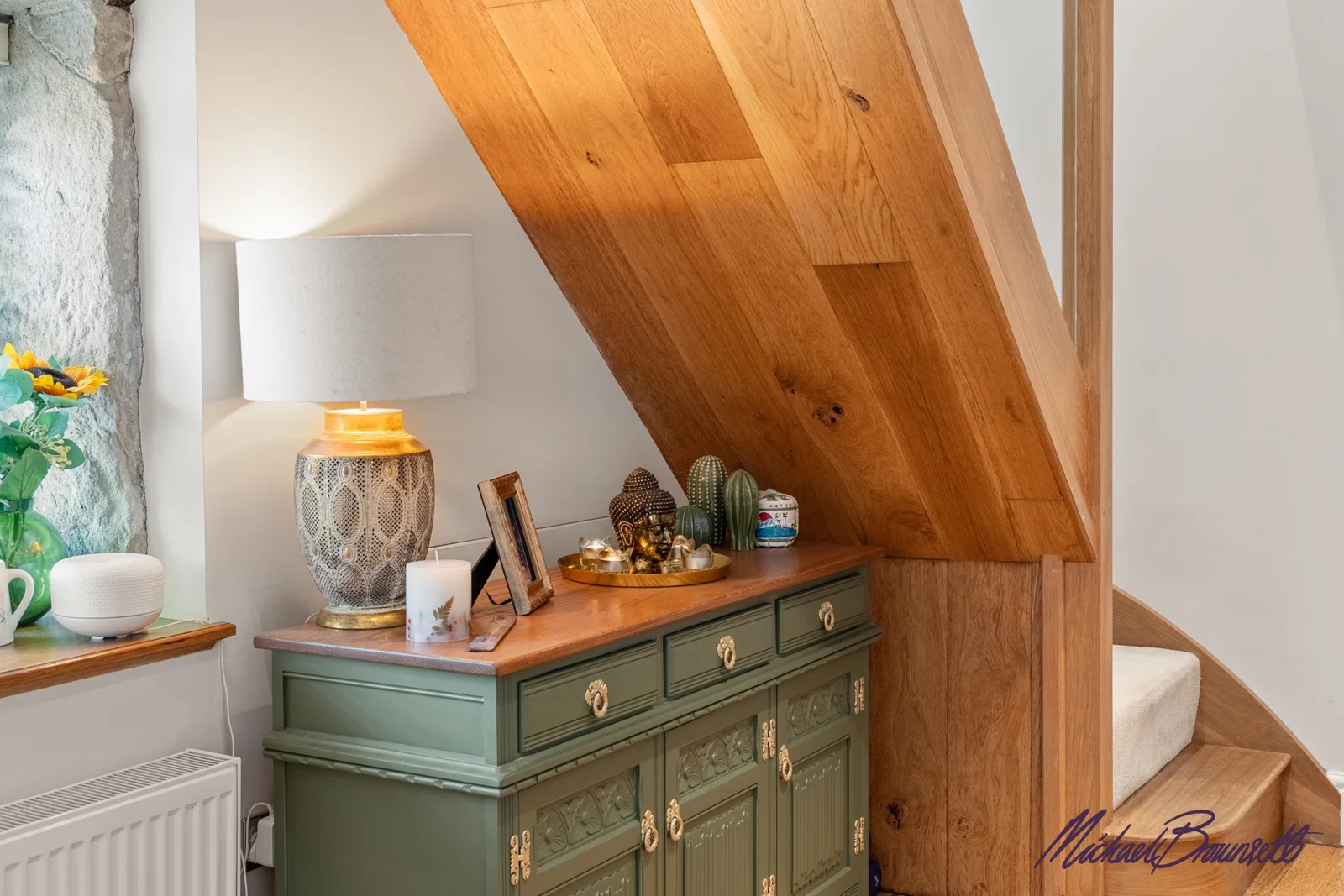
Your side is the preparation, and I will be honest with you: it matters more than the camera does. A tidy, bright, warm home photographed well looks extraordinary. A cluttered one photographed well still looks cluttered — the lens is very good at seeing the things you stopped noticing years ago.
So this guide is the whole job, written down: what I need from you before the day, what to do with the fortnight in between, what to do in every room, and what happens on the day and after it. Read it once now and once the week before. Anything you are unsure about, ring me — I would far rather have the conversation than have you guess.
"You cannot photograph your way out of
a room that has not been prepared."

Your shoot is booked
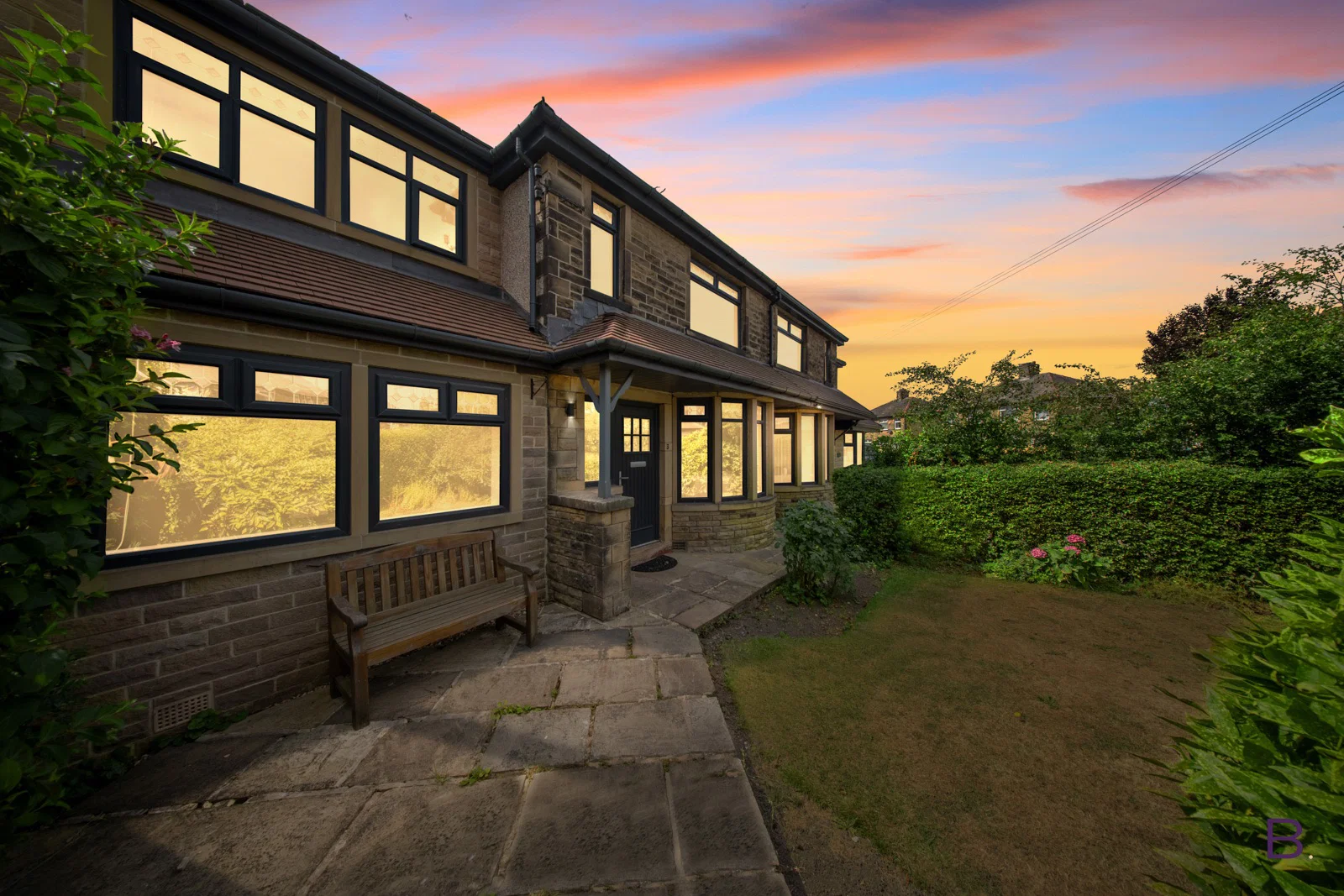
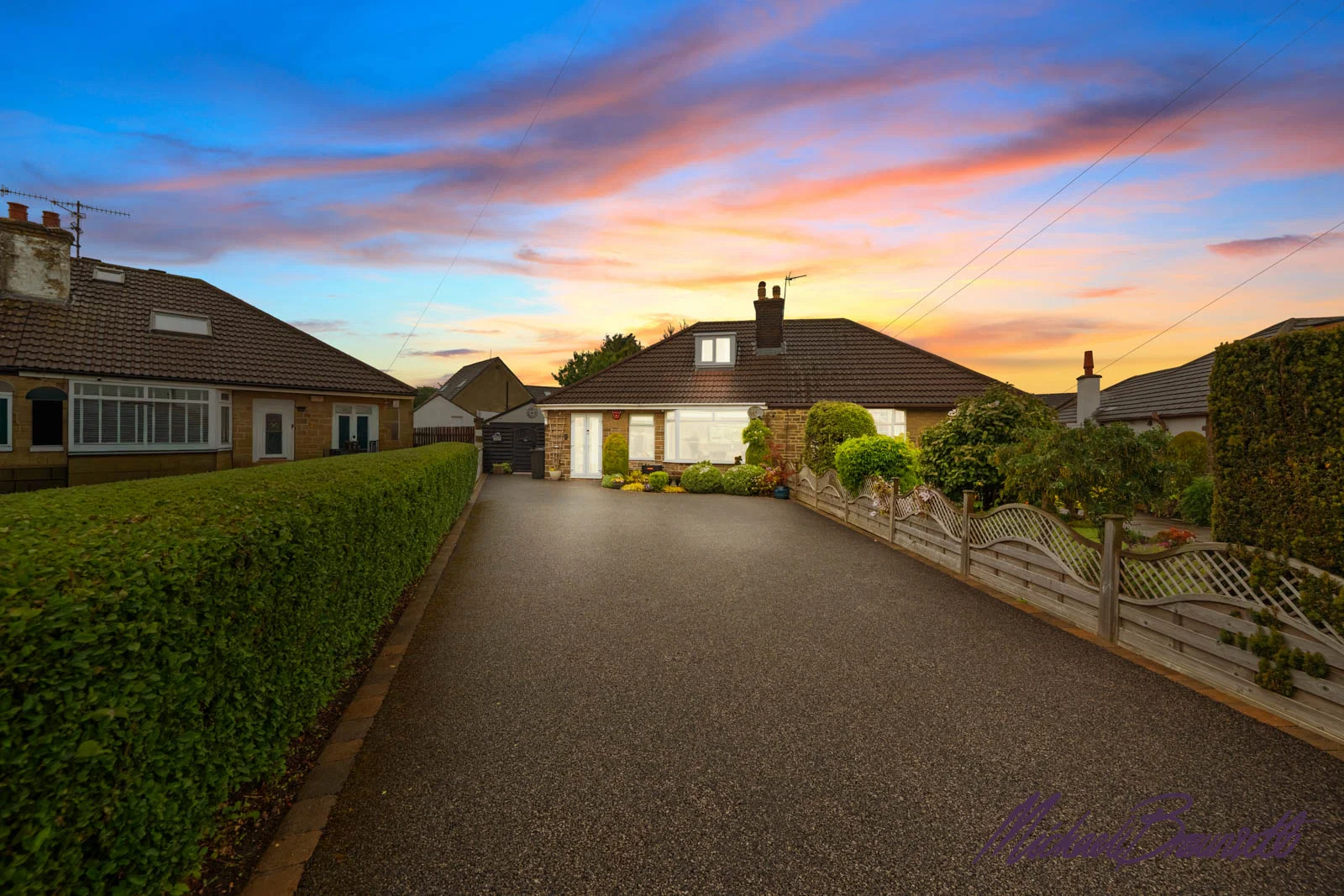
One appointment produces everything your home is marketed with — the photographs, the film, the floorplan and the images the brochure is built from.
There is no second shoot, so the house needs to be ready when the door opens rather than ready by lunchtime. Chapters four and five are the whole preparation, and they are worth starting the moment you have read them.
Someone needs to be at home to let Harry or Rudy in, but you do not need to follow them round. I may not be there at the start — I will be there before they leave to record the introduction to camera.
If the date no longer works, or the weather looks genuinely awful for the outside shots, ring me. Moving it costs nothing. Shooting a house that is not ready costs you buyers.
The details I need from you
Before your home can go live I have identity checks to complete — every estate agent in the country does, by law. They are quick, they are done electronically, and they need five things from every person named on the deeds. Not just whoever I have been speaking to.
Just reply to my email.
One reply, everybody's details in it. No forms, no portal, no attachments to wrestle with.
The fortnight before
You are moving anyway. Everything in this chapter is work you were going to do in six weeks' time — you are simply doing it before the camera arrives instead of after.
Start with the packing. Not the sentimental sort — the honest sort. Anything you will not need before you move goes into a box, and the boxes go into the loft, the garage or a friend's spare room. Half-empty rooms photograph beautifully. Full ones do not.
Then the small jobs. The dripping tap, the blown bulb, the door that sticks, the cracked tile you stopped seeing in 2019. Individually none of them matter. Together they tell a buyer the house has not been looked after, and that thought is very difficult to unthink.
Book the window cleaner for the week of the shoot rather than the month before. Dirty glass takes the light out of every single interior photograph, and it is the one thing that cannot be fixed afterwards.
"A fortnight of tidying is the cheapest marketing you will ever buy."
Room by room
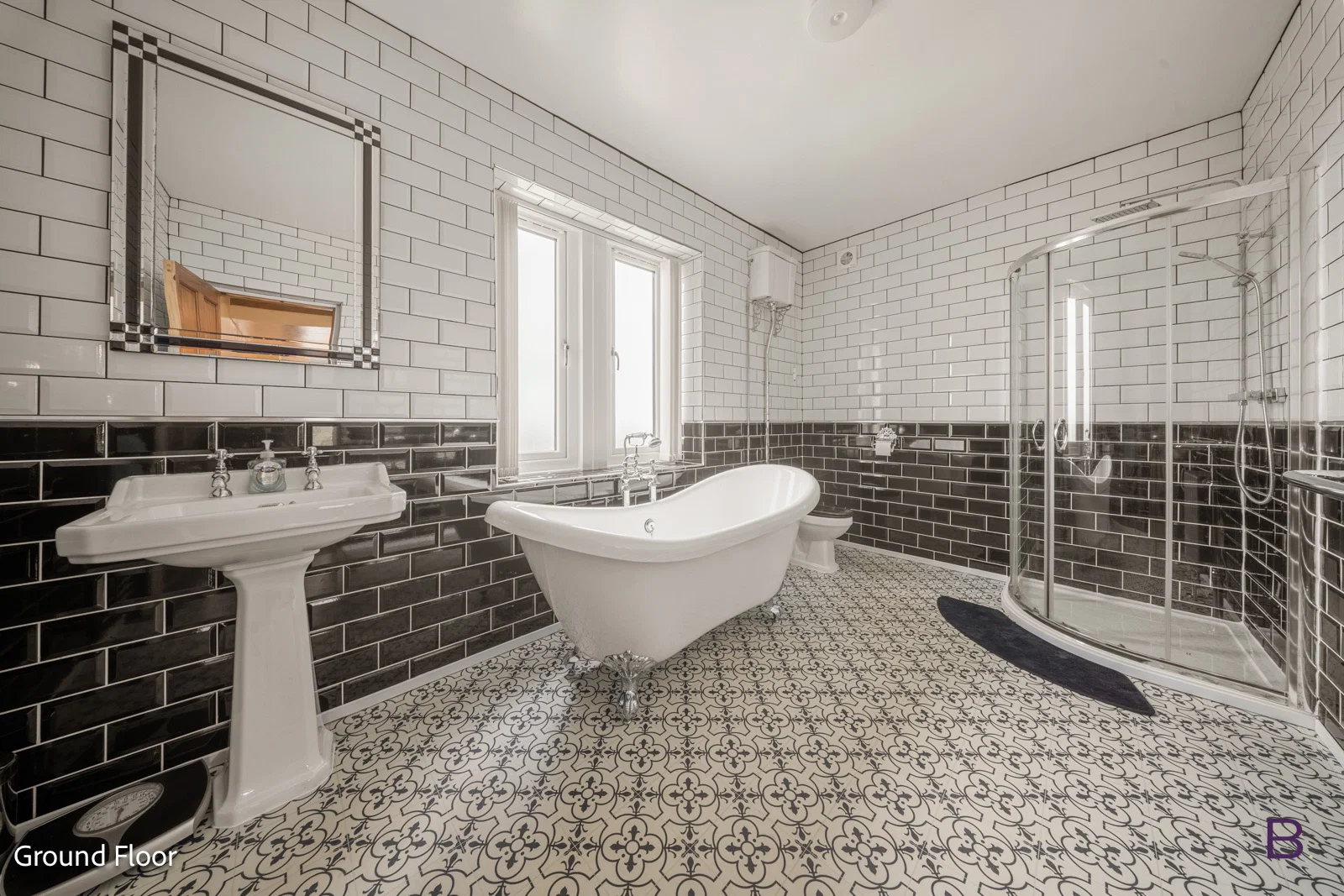
The night before, walk the house with this page in your hand. The rule underneath all of it is the same one: surfaces clear, lights on, curtains open, nothing personal on show.
On the day
Harry or Rudy will arrive at the time on your appointment page and work through the house room by room. Here is the shape of the morning, so nothing about it is a surprise.
Harry and Rudy
Show and Sell Media
I use them because the marketing is the single biggest thing standing between your home and the right buyer. It is not the place to save money.
What happens after
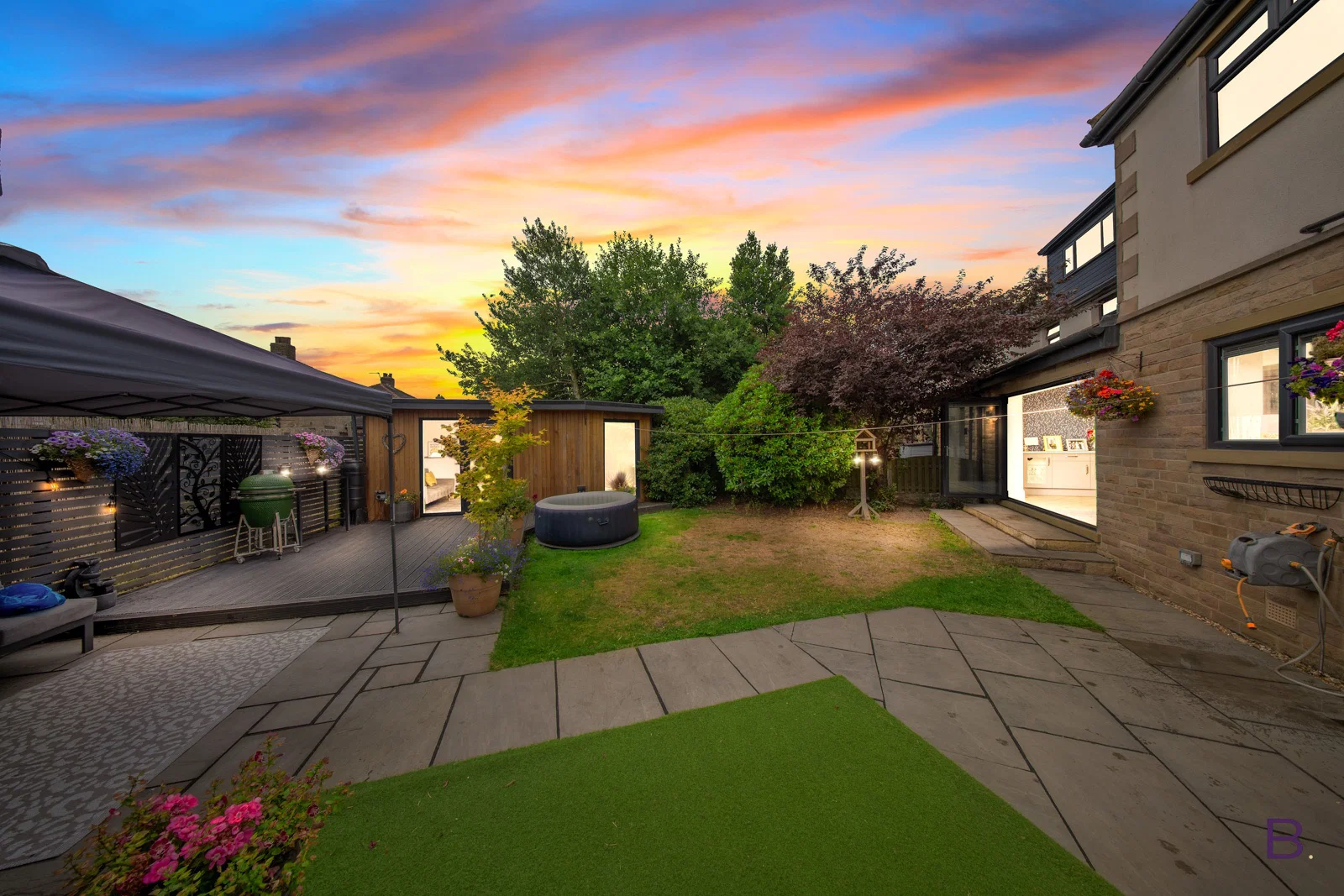
The moment the door closes behind the photographer, the clock starts. Nothing about your home appears anywhere until you have seen all of it and told me you are happy.
The ten-minute reset
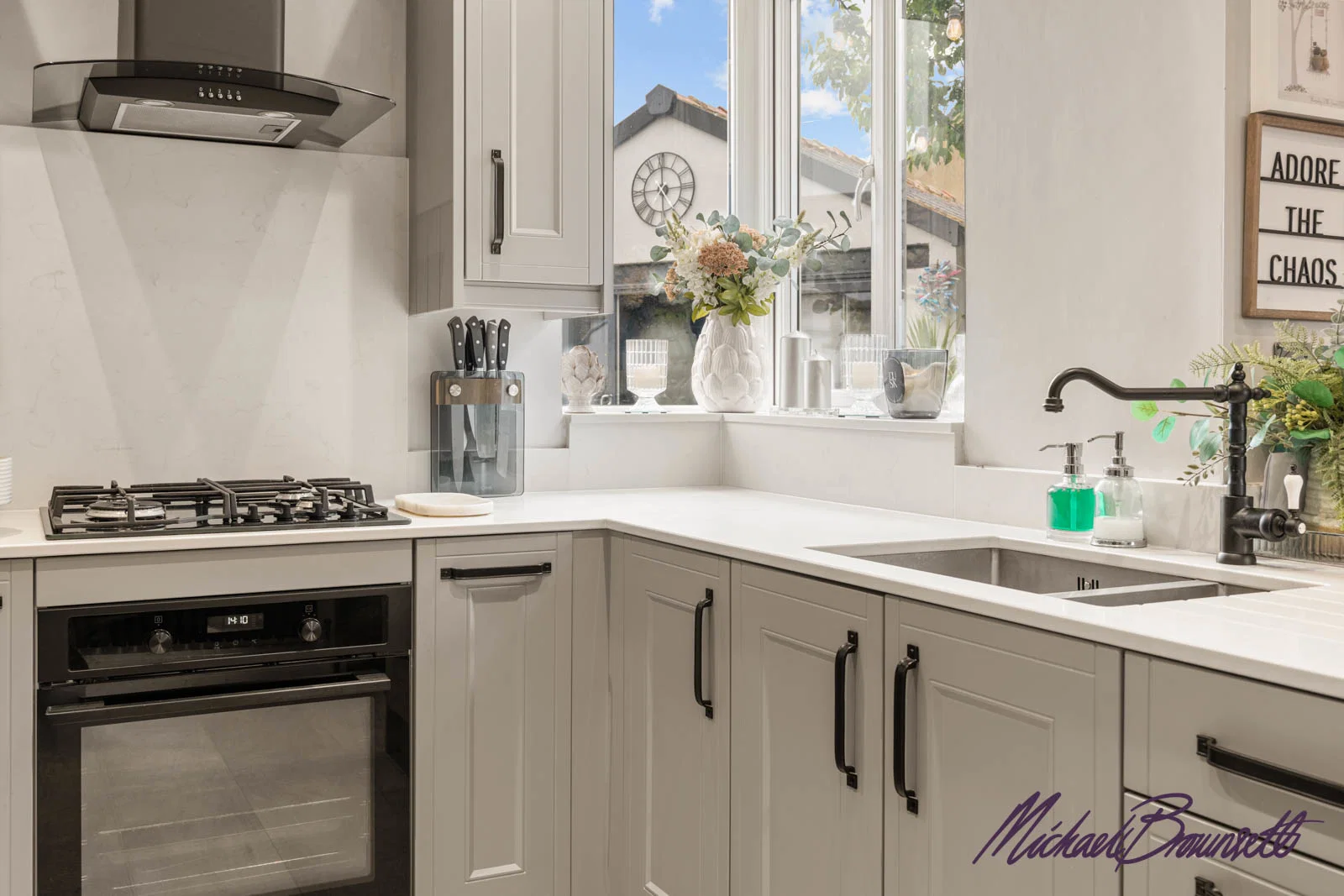
The photographs earn the viewing. The ten minutes before the doorbell decide what the buyer feels when they walk in — and that feeling is what they are actually buying. Run this list every time. It becomes muscle memory by the third one.
The viewing itself
Where you have asked me to carry out the viewings, I do them myself. No junior, no keyholder, nobody meeting your buyer for the first time on your doorstep.
That matters because a viewing is not a tour. I know why the buyer is moving, what they have just lost out on, what they can borrow and what they will compromise on — and I show your home against that, not against a script.
Which is also why the house is better without you in it. Buyers will not open a wardrobe, criticise a bathroom or stand in a bedroom working out where their bed goes while the owner is stood behind them. They will do all three the moment they think nobody is listening, and every one of those things is a buying signal.
If you cannot go out, that is completely fine. Settle in one room — the kitchen or the garden — say hello, and let me take them round. Do not follow us. Do not apologise for anything. And please do not sell: that part is mine, and I am better at it than I am at anything else.
Afterwards I ring you with the feedback as it was given to me — the good and the awkward. If three buyers say the same thing about your home, that is not an insult. That is the market talking, and it is worth listening to early.
"Leave the house. Take the dog. Let them fall for it without an audience."
Anything at all before the shoot — a room you are unsure about, a date that no longer works, a question you think is too small to ask — ring me. There is no such thing as bothering me about your own home.